Chinese Heritage of Kolkata: Exploring the City’s Historic Chinatown
Have you ever wondered how Kolkata became the birthplace of India’s famous Indo-Chinese cuisine? Or why momos, chilli chicken and Hakka noodles are so popular? The story begins with Kolkata’s Chinese community. Its heritage has shaped the city’s food, leather industry and cultural identity for over two centuries.
Chinese Settlement in Kolkata
The history of the Chinese settlement in Kolkata dates back to the late 18th century. In 1778, Chinese trader Tong Achew established a sugar mill near Achipur. This early settlement laid the foundation for one of India’s oldest Chinese communities.
Over the following decades, migrants from southern China arrived in Calcutta. They brought specialised skills in carpentry, shoemaking and leatherwork. Many settled around central Kolkata and established thriving businesses.
Tiretta Bazaar became the city’s first Chinatown. It was once home to Chinese traders, carpenters, restaurants and traditional temples. Today, the neighbourhood is famous for its Sunday morning Chinese breakfast market. Visitors gather early to enjoy steaming momos, baos, dumplings and noodles.
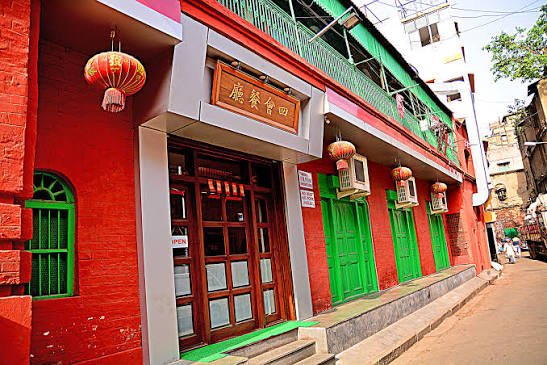
Tiretta Bazaar: The Original Chinatown of Kolkata
Located in central Kolkata, Tiretta Bazaar preserves an important chapter of Chinese history. Its narrow lanes once supported a thriving Chinese residential and commercial community.
The traditional Sunday breakfast market remains its biggest attraction. Arrive around 6 AM to experience this unique food culture. Freshly prepared dumplings, momos, baos and rice porridge attract food lovers from across the city.
Tangra: Kolkata’s Famous New Chinatown
During the early 20th century, many Chinese shoemakers and leather workers moved towards Tangra in eastern Kolkata. The neighbourhood gradually became known as New Chinatown.
The Hakka Chinese community played a major role in developing Tangra’s leather industry. Chinese-owned tanneries and workshops transformed the area into an important centre for leather production and shoemaking.
Today, Tangra is equally famous for its Chinese restaurants. Its kitchens helped popularise Kolkata’s distinctive Indo-Chinese cuisine.
Indo-Chinese Cuisine: A Culinary Legacy
One of the greatest contributions of Kolkata’s Chinese community is Indo-Chinese food. Chinese cooking techniques blended with Indian spices and local ingredients. This created a completely new culinary tradition.
Chilli chicken, Hakka noodles and Manchurian became popular favourites. Today, these dishes are enjoyed across India. Tangra’s restaurants continue to preserve this unique food culture.
Chinese Culture, Temples and Traditions
The Chinese community contributed far beyond food and leatherwork. Chinese women also played an important role in introducing modern beauty parlours and grooming services to Kolkata.
Community institutions helped preserve traditional customs and religious practices. Sea Ip Church, Nam Soon Church and the Chinese Kali Temple reflect the city’s fascinating cultural interactions.
Chinese New Year remains an important celebration. Traditional lion dances, red lanterns and community feasts bring the neighbourhoods to life.
The Decline and Survival of Chinese Kolkata
The Sino-Indian War of 1962 marked a difficult turning point. Political suspicion, discrimination and internment affected many Chinese Indian families. Many eventually migrated to countries such as Canada and Australia.
Environmental regulations later transformed Tangra’s traditional leather industry. The relocation of tanneries further affected the community’s economic activities.
Despite these challenges, Chinese heritage remains an important part of Kolkata’s identity. Family-run businesses, restaurants, temples and cultural associations continue to preserve its traditions.
Discover the Chinese Heritage of Kolkata
From the historic settlement at Achipur to Tiretta Bazaar and Tangra, Chinese Kolkata offers a fascinating journey through migration and cultural exchange.
Explore the city’s historic Chinatown, discover its traditional food culture and learn about the community that helped shape modern Kolkata.
Join a guided heritage exploration with Kolkata Tour Guide. Experience the lesser-known stories, neighbourhoods and culinary traditions of the City of Joy.